
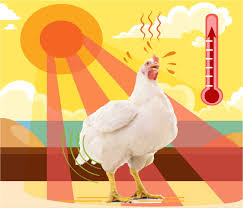
Heat Stress in Poultry and Practical Strategies for Effective Management
Poultry farming in tropical and subtropical regions offers great production potential, but high temperatures also present a continuous challenge. Among these challenges, heat stress remains one of the most serious threats to flock health, welfare, and profitability. Understanding what heat stress is, how it affects birds, and how to manage it effectively is essential for every poultry farmer.
What Is Heat Stress?
Heat stress occurs when a bird cannot dissipate enough body heat to maintain its normal internal temperature. Chickens do not sweat; they rely on panting, wing lifting, and reducing activity to cool down. In hot environments especially when humidity is high these natural cooling mechanisms become less effective.
Common Temperature Thresholds
Below 25°C (77°F): Comfortable zone for most poultry.
29–33°C (85–91°F): Birds start showing early signs of heat stress.
Above 34°C (93°F): Performance drops significantly; mortality risk increases.
Above 37°C (98°F): Dangerous and potentially fatal conditions.
Why Heat Stress Is a Serious Problem
Heat stress affects multiple systems in the bird’s body in the following ways;
1. Reduced Feed Intake: Increase temperature will cause birds to eat less leading to reduced weight gain in broilers, drop in egg production in layers and poor eggshell quality.
2. Water Imbalance: During extreme hot weather, birds drink more water to cool down. However, excessive panting will lead to electrolyte loss, dehydration and also reduced immunity
3. Compromised Immunity and Higher Disease Risk: When birds are stressed, they become more susceptible to infections such as Coccidiosis, E. coli, Chronic respiratory diseases e.t.c
4. Fertility and Hatchability Drop: In breeder flocks, some clinical signs that will be observed may be reduced sperm quality in the male, hens lay fewer fertile eggs, embryo mortality increases
Signs of Heat Stress Every Farmer Should Watch For
There are noticeable signs that can be easily detected by farmers at the farmer level for quick intervention during heat stress. Some of these include;
- Panting or open-mouth breathing
- Wings lifted away from the body
- Reduced activity or crowding around cool areas
- Watery droppings
- Pale combs in severe cases
- Drop in feed consumption
- Sudden drop in egg production
How to Manage Heat Stress in Poultry: Practical and Effective Strategies
The following measures will be of great help to alleviate the impact of heat stress.
1. Improve Ventilation: Good airflow is the first line of defense, you can install or increase the number of fans inside your pen house. Ensure to keep air inlets open and unobstructed by removing objects blocking airflow in open-sided houses and also ensure nets are free of cobwebs and dust.
2. Reduce House Temperature: The use of foggers or misting systems when humidity is not too high can be of great advantage. Plan your pen house with insulated roofs with reflective materials. Planting of trees around poultry houses can also be used for natural cooling.
3. Always Provide Cool, and Clean Water: Ensure to regularly flush drinker lines to keep water cool during hot afternoon, adding electrolytes and Vitamin C during peak heat will also help to correct electrolytes imbalance. Make adequate provision of drinker space for all birds. Adding of ice blocks to water to lower the water temperature during peak heat.
4. Adjust Feeding Programs: Feeding of birds early morning and late evening will help to increase feed intake for better performance. Also use energy-dense, highly digestible feeds with the addition of supplement vitamins, minerals, and antioxidants.
5. Reduce Stocking Density: Don’t plan overcrowding your pen house as this increases heat load. Also ensure adequate space per bird to reduce temperature buildup.
6. Manage Litter and Humidity: Do well to keep litter dry to reduce ammonia. Also fix leaking drinkers and remove wet spots promptly to prevent ammonia build up in your pen.
8. Emergency Measures During Heat Waves: Sprinkle cool water on the roof, reduce artificial light or heating, add electrolytes immediately, increase air movement with temporary fans
Conclusion
Heat stress is a major challenge in tropical poultry production, but with the right knowledge and proactive management, its impact can be significantly minimized. Good ventilation, smart feeding strategies, adequate hydration, and proper housing design are all essential tools every farmer should use. A cool bird is a healthy, productive bird and a well-informed farmer is always ahead.
For more updates on farm insights, check on KochavAgromart